

Plastic vs. Glass – Which Is Less Harmful for Your Health?
Plastic vs Glass: A calm, practical guide to food and water contact: how heat, time, and acidity affect materials, and gentle swaps to lower exposure without overwhelm.
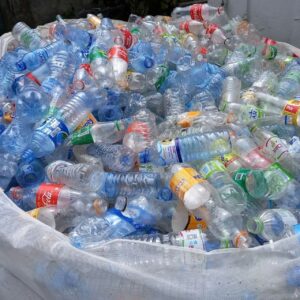
More Than Convenience
It’s just a bottle. A container. A way to store leftovers or sip water on the go.
Or so it seems.
But what if these everyday items such as plastic water bottles, takeout containers, microwaveable tubs… are doing more than holding your food or beverages?
What if, with every sip, bite, or heat cycle, they’re slowly leaching compounds into your system… whispering messages your body can’t ignore?
We interact with plastic constantly. It’s in our kitchens, our offices, our cars, and our handbags. It’s so familiar, so convenient, that we rarely question it.
But the cost of that convenience may be far greater than what we’ve been told.
This isn’t about panic. It’s about paying attention, and making informed choices about what touches your food, your water, and ultimately… your body.
What’s in Plastic – and What Ends Up in You
Plastic isn’t just a neutral material. It’s a cocktail of synthetic compounds designed for flexibility, durability, and long shelf life, which often distort internal harmony.
When you store food or water in plastic, especially under heat or over time, chemical particles can leach into your drink or meal.
Some of the most common offenders include:
- BPA (Bisphenol A) and BPS are endocrine disruptors linked to hormonal imbalance and reproductive dysfunction
- Phthalates are plasticizers that can disrupt testosterone and affect fetal development
- Microplastics and Nanoplastics are microscopic particles that break off and enter the bloodstream, especially when exposed to heat, light, or acidity
It’s not just takeout containers.
Studies have found microplastics in bottled water, baby bottles, tea bags, and even commercial sea salt. They’ve shown up in placentas, blood vessels, lungs, and brain tissue.
And the impact? It’s not theoretical. These particles affect the very systems that regulate immunity, hormones, cognition, and detoxification.
And we wonder why both the young, middle-aged, and the elderly complain of memory issues more than ever before.
Plastic isn’t just storing your food, it’s becoming part of what you and I consume…
And over time, part of you. And part of me.
Microplastics & Health Foundations: The Evidence at a Glance
Cognitive Health
Micro- and nanoplastics are now known to cross the blood-brain barrier, potentially triggering neuroinflammation and disrupting glial cell function.
They’ve been found in the brains of animals, and increasingly, in humans. This raises growing concern about their role in brain fog, memory loss, and long-term cognitive decline.
Hormonal & Endocrine Health (Especially Thyroid)
Plastics like BPA and phthalates mimic human hormones.
They bind to receptors, disrupt signaling, and interfere with the hypothalamic-pituitary-thyroid axis.
This can lead to fatigue, menstrual irregularity, fertility issues, and thyroid dysfunction.
As a clinician working in both private practice and medical facilities, I’ve become acutely aware of how many individuals… across all ages… are medicated “for life” for thyroid issues or have undergone thyroid gland removal.
This realization is deeply unsettling.
Cardiovascular Health
Microplastics have been detected in arterial plaque, suggesting a role in the chronic inflammation that drives heart disease.
Emerging studies link microplastic burden to elevated stroke and cardiac event risk.
Gut Health & Autoimmune Risk
Your gut lining is a gatekeeper, and microplastics weaken its defenses.
They damage epithelial cells, promote dysbiosis, and activate the immune system in harmful ways.
This contributes to leaky gut, chronic inflammation, and autoimmune disorders like IBD, Hashimoto’s, and rheumatoid arthritis.
The Bigger Picture: Plastic’s Cycle from Soil to Sea… and Back to Us
Plastics don’t just disappear. They break down into micro- and nanoplastics that now pervade our entire ecosystem.
They’re found in:
- Soil: Absorbed by plant roots through plastic-contaminated fertilizers
- Oceans and Rivers: Consumed by fish, shellfish, and sea mammals, working their way up the food chain
- Rainwater and Tap Water: Where microplastics and their chemical byproducts have been globally detected
When we eat vegetables grown in plastic-polluted soil or seafood that has ingested plastic waste, we’re reabsorbing what we once threw away.
This is not just an environmental issue. It’s a full-circle wellness concern.
Our planet’s systems are interconnected, and so are ours. When the earth’s filtration systems are compromised, so are our own:
Our liver, kidneys, lymphatic system, and gut.
The message is clear:
What we do to the environment, we ultimately do to ourselves.
And what we do for our planet… we also do for our internal terrain.
Is Glass Safer Than Plastic?
In most cases… absolutely.
Glass is inert. It doesn’t leach, doesn’t break down into microparticles, and doesn’t carry endocrine-disrupting chemicals.
It remains stable under heat, cold, and time.
Unlike plastic, glass:
- Doesn’t alter the flavor or chemical structure of its contents
- Can be sterilized and reused without degradation
- Is fully recyclable without releasing harmful toxins
- Yes, it’s heavier and more fragile. But from a health standpoint, it remains one of the cleanest and safest storage options.
If you’re ready to make the shift, consider:
- Using glass or stainless-steel bottles for water
- Replacing plastic Tupperware with tempered glass containers
- Avoiding heating food in any plastic, even if labeled BPA-free
“Plastic and glass containers are both carriers… one overtly causes harm and the other is neutral. Stay alert and discerning across the board. Your health is dependent on your choices.”
— Nnenna Ndika
Mini FAQ: Questions You Might Be Asking
Is all plastic harmful?
Not all plastics are created equal. Some newer types are labeled “safer,” but leaching still increases with heat, acidity, and wear. Even BPA-free plastics often contain BPS or analogs with similar risks.
What about reusable plastic water bottles?
Better than single-use—but not ideal. Most still pose a risk with sunlight or frequent dishwashing. Prefer stainless steel or glass when possible.
Can microplastics really get into the brain?
Yes. Recent research shows micro- and nanoplastics can cross the blood-brain barrier, sparking inflammation and potential cognitive decline.
What about infants and children?
Infants and children are more vulnerable because they have developing brains and hormones, higher intake per body weight, and more hand-to-mouth contact. Aim for simple, low-reactivity materials and less heat.
Gentle swaps
- Bottles: prefer glass with silicone sleeve; if plastic is unavoidable, choose #5 (PP) and avoid heat/scratches.
- Nipples/teethers: medical-grade silicone; avoid fragranced or gel-filled toys.
- Feeding: don’t microwave milk or food in plastic; warm bottles in a water bath.
- Storage: use glass for hot/acidic foods and longer storage.
- Pouches: fine as an occasional tool… decant to a bowl, don’t heat in the pouch.
- Dishware: avoid melamine for hot foods; choose glass, stainless, or unglazed ceramics.
Educational only; for individual needs, consult your pediatric clinician.
Is switching to glass enough?
It’s a powerful start. But true wellness includes broader awareness of what we breathe, eat, drink, and store.
Swapping your containers is a tangible first step toward long-term protection.
Want to go deeper?
- Learn how the nervous system self-regulates
- Explore rhythm and the body’s safety signal
- New here? Start here
Micro-practice: 24-Hour Heat Pause (Infants & Children & Adults)
- No heat + plastic: don’t microwave in plastic; skip hot-cycle dishwashers for kids’ plastics; let hot food cool before lidding.
- Warm + serve in safer materials: use a warm-water bath or stove; handle/serve in glass, ceramic, or stainless. Keep plastic lids off until cool.
- Swap by risk: use glass/stainless for hot, acidic, or salty items (coffee/tea, soup, tomato/citrus, brines, >24-hr leftovers).
- Retire + choose: discard scratched/cloudy/scented plastics. If plastic is unavoidable, prefer #2, #4, #5. For babies: silicone nipples/teethers; utensils: stainless/wood.
- Everyday touches: bedside water in glass/stainless; don’t reuse single-use bottles; don’t leave plastic bottles in a warm car.
- Notice for a day: track sleep depth, morning head/face tension, skin/GI cues (for little ones), and your overall ease. Keep what helps; release what doesn’t... or didn’t.
Educational only; for individual needs, consult your pediatric clinician.
A Gentle Closing Reflection
Plastic has become a silent companion in modern life… subtle, convenient, and deeply embedded in our habits. But healing asks us to pause, reassess, and reconnect with what truly supports life.
Small changes matter.
When we choose glass over plastic, not only do we protect our bodies, we also participate in healing our soil, our water, and our collective future.
Today, what is one small swap you can make… in your kitchen, your routine, or your awareness?
Healing begins with a single choice.
Clinical services are provided within my scope as a licensed clinical psychologist (CA, RI). My Doctor of Integrative Medicine credential is a doctoral degree with board certification by the Board of Integrative Medicine (BOIM) and does not represent a medical/physician license. All educational content is for learning only and is not a substitute for professional medical or psychological care.
About Dr. Nnenna Ndika
Dr. Nnenna Ndika is an integrative, trauma-informed clinical psychologist (CA/RI) and Doctor of Integrative Medicine (BOIM). Her work bridges neuroscience, somatic regulation, and environmental rhythms—simple, minimalist practices that help the body remember safety and the mind regain quiet strength. Silent Medicine is educational only; it does not replace medical or psychological care. Begin with Start Here or explore Mind-Body Healing.


