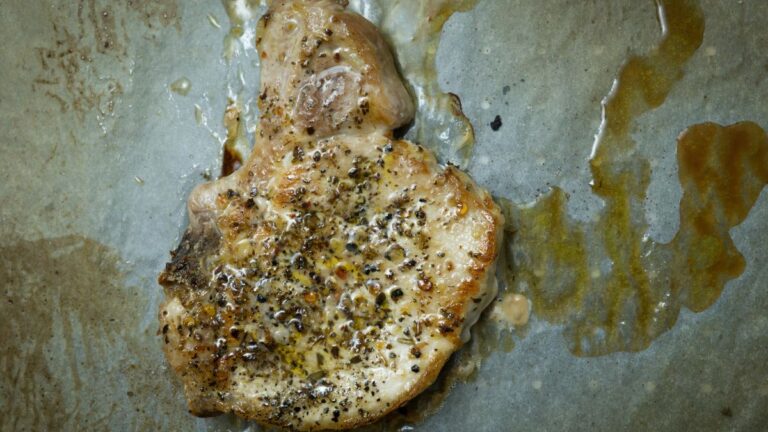

Simple Beef Heart Sauté (Red Heart in a Pot)
A gentle, one-pot way to enjoy nutrient-dense beef heart — with space to listen to your body’s signals.
Quiet intro: why beef heart?
Beef heart looks intimidating at first glance, but in the pot it behaves like a rich, flavorful muscle meat. For those of us eating nose-to-tail or rebuilding a sensitive nervous system, it can be a deeply nourishing cut… dense in B vitamins, CoQ10, and minerals, and surprisingly comforting when cooked low and slow.

This simple sauté is my version of “put it in the pot and let it become tender while you tend to your life.” Just ghee (or tallow), heart, and, if your body tolerates it, a few cloves of garlic. You can dress it up, but you don’t have to. The emphasis is on simplicity, warmth, and listening to what your body says back.
Quick Answers
Q: How long does the beef heart need to cook?
A: On my stove, about 35–50 minutes on a gentle simmer (heat level 4/8), depending on how tender you like it.
Q: Do I have to use garlic?
A: No. Garlic is optional. If you’re sensitive or testing potential triggers, you can cook this recipe with only ghee/tallow and heart.
Q: Can I make this in a slow cooker?
A: Yes. You can sear the heart in a pan first (optional), then cook on Low for 4–6 hours with ghee/tallow until tender.
Q: Does beef heart taste “organy”?
A: It’s usually milder than liver and closer to a rich beef roast in flavor, especially when cooked slowly with fat.
Q: Can I freeze leftovers?
A: Yes. Cool completely, then freeze in portions for up to 2–3 months. Thaw in the fridge and reheat gently.
Ingredients
For ~3–4 small servings:
- 2.2 lb (about 1 kg) beef heart, grass-fed/finished if possible
- Trim only what you must; I leave most of the fat attached
- 4 teaspoons ghee
- Or beef tallow if that’s gentler on your digestion
- 5 cloves garlic, whole (optional)
- You can omit if you’re testing sensitivities
- Salt to taste (I cooked my test batch without salt)
- Optional, if not strictly carnivore:
- A few slices of onion for sweetness
- Fresh parsley to sprinkle on top when serving
Equipment:
- Heavy cast iron or enameled pot with lid
- Stove with low–medium heat range (mine runs 0–8; I used 4)
Simple method – Beef Heart Sauté
1. Prepare the heart
- Rinse the beef heart briefly under cool water and pat dry.
- Slice into thick slices, then cut those slices into small cubes (bite-sized).
- Leave the fat on the pieces unless there’s anything that feels excessively tough.
2. Start the pot
- Place your cast iron/enameled pot on the stove over medium-low heat (about 4/8).
- Add 4 teaspoons ghee (or tallow) and let it melt and warm gently.
- Add the 5 whole cloves of garlic into the pot
- Add the beef heart cubes in a single layer as much as possible.
- Leave the pieces alone for a few minutes so they begin to brown lightly on one side.
3. Low and slow simmer
You’re going for slow tenderness and a brown, slightly thickened sauce, not a hard sear.
- Once the heart has taken on some color, stir to coat with fat.
- Cover the pot with the lid, leaving it slightly ajar to let steam escape.
- Keep the heat at 4/8 (gentle simmer).
Approximate cooking rhythm (based on my stove):
- After 20 minutes:
- Open the pot, stir the meat, and check tenderness.
- At this point mine was chewable but not yet soft.
- After another 15 minutes (total ~35 min):
- Stir again. You should see a brown sauce forming, slightly thickened from the heart juices and fat.
- Optional extra 10–15 minutes:
- For even more tenderness and a deeper sauce, leave it at a gentle simmer for an additional 10–15 minutes, stirring occasionally.
Adjust the heat as needed to maintain a gentle bubble, not a rapid boil.
Notes from my body: garlic, ghee, and gentle experimentation
The first time I cooked this, I chose to keep things very simple:
- Beef heart + ghee + whole garlic cloves.
- No salt, no other spices.
While eating, I noticed a wave of all-over itchiness shortly after starting the meal. It eased as I kept eating, and then returned mildly later. Because my body is highly sensitive and communicative, I treat this kind of signal as information, not panic.
My next step will be:
- Cooking the same recipe with only ghee and heart (no garlic),
- On another day, testing garlic by itself with a simple food I generally tolerate,
- Then watching for any repeating patterns.
I share this not as medical advice, but as an example of how I listen, adjust, and stay curious when my body sends unexpected sensations during a meal.
Serving suggestions
If you’re strictly carnivore or very sensitive:
- Eat the heart sauté as is, straight from the pot.
- Optionally sip some of the brown cooking juices as a rich broth.
If you have a bit more flexibility:
- Sprinkle with fresh chopped parsley just before serving.
- Serve alongside plain white rice or boiled potatoes (if tolerated) for family members who aren’t carnivore but share the meal with you.
Storage & reheating
- Store leftovers in a glass container in the refrigerator for up to 3–4 days.
- The sauce will thicken as it cools.
- To reheat:
- Add a splash of water or broth,
- Warm gently on the stove over low heat, stirring occasionally,
- Or use a low oven (covered) until heated through.
Some people find organ meats more digestible the second day as flavors meld and the nervous system isn’t meeting the food for the first time.
Important to note
This post is educational only and reflects my personal experience as I experiment with organ meats and my own sensitivities. It is not medical or nutritional advice. If you have a history of food allergies, mast cell issues, or complex health conditions, please work with a qualified clinician before making big changes to your diet.
Related Reading
- Kidney Casserole – Kidney and egg Skillet
- Are Salts the Villain or the Savior? (Everyday Use, Taste & Iodine)
- Gut Health Beyond Food: How Emotions Shape Your Microbiome and Healing
- Bone Broth Healing and Gut Immune Health
- Fasting to Reset the Body and Mind
FAQ
1. Is beef heart suitable for people new to organ meats?
For many, yes. Beef heart is technically a muscle meat, so the flavor and texture are often easier than liver or kidney. That said, every body is different. If you’re new, start with a small portion and see how you feel.
2. What if I notice itching or other reactions like you did?
If you notice itching, flushing, or other symptoms:
- Pause the meal and give your body space.
- Check for any worrying signs (breathing difficulty, swelling, dizziness). If present, seek urgent care.
- Later, you can experiment with one ingredient at a time, as I plan to do, to see if there’s a consistent pattern.
This is self-observation, not a substitute for professional advice.
3. Can I add more spices or vegetables?
Yes. This base recipe is intentionally simple to support sensitive systems and carnivore-style eating. If you tolerate more:
- Add onions, black pepper, rosemary, or bay leaf to the pot.
- For non-carnivore eaters, add carrots or celery for a more traditional stew feel.
4. Why cook heart low and slow instead of hot and fast?
Low and slow cooking:
- Is often easier on sensitive digestion than very high-heat searing.
- Helps break down connective tissue, making the heart more tender.
- Creates that brown, slightly thickened sauce from the juices and fat.
Clinical services are provided within my scope as a licensed clinical psychologist (CA, RI). My Doctor of Integrative Medicine credential is a doctoral degree with board certification by the Board of Integrative Medicine (BOIM) and does not represent a medical/physician license. All educational content is for learning only and is not a substitute for professional medical or psychological care.
About Dr. Nnenna Ndika
Dr. Nnenna Ndika is an integrative, trauma-informed clinical psychologist (CA/RI) and Doctor of Integrative Medicine (BOIM). Her work bridges neuroscience, somatic regulation, and environmental rhythms—simple, minimalist practices that help the body remember safety and the mind regain quiet strength. Silent Medicine is educational only; it does not replace medical or psychological care. Begin with Start Here or explore Mind-Body Healing.